Journal of the Korean Housing Association. 25 December 2016. 1-8
https://doi.org/10.6107/JKHA.2016.27.6.001

ABSTRACT


MAIN

I. 서 론

1. 연구의 배경 및 목적

공동주택은 공동체적 생활양식을 포함하고 있다는 점에서 특색이 있으며, 공동주택계획에 있어 커뮤니티 계획은 단지계획의 궁극적 목표 중 하나로 인간의 생활환경 질을 향상시키기 위해 우선시 되는 계획 목표이다(Seo, 2008). 양적 공급이나 기능성에만 치우쳤던 공동주택은 시간이 지남에 따라 거주자들 간 ‘이웃’이라는 개념상실이라는 사회적 문제가 나타나게 되었고, 지속적인 거주지로서의 기능을 점차 상실하게 되었다. 이에 사람들은 커뮤니티 회복에 관심을 갖기 시작하였고 마을 또는 단지 내에서 다양한 프로그램이 이루어지고 있으며, 정부에서도 주거의 질 향상을 위한 공동체 조성의 중요성을 말하며 다양한 정책과 지원 사업이 계속되고 있다. 건설사 또한 차별화된 커뮤니티 시설을 도입하여 점차 다양화, 대형화되고 있다.

이처럼 주거공간에서 커뮤니티 환경은 거주자들의 일상생활을 지원할 수 있고 거주의 지속성을 향상시키기 위한 필수요소이며 전반적인 주거공간에서 활성화되기 위해서는 높은 거주율 1) 로 아파트에만 국한되어 다양화되고 있는 아파트의 커뮤니티 현황을 파악함으로써 다양한 방법이 모색되어질 필요가 있다. 한편, 아파트 단지의 영역성은 공간형성에 있어 필수적인 요소이며 모든 공간은 일정범위를 영역화함으로써 다른 사람과의 접촉을 발생시키고 결과적으로 커뮤니티가 형성된다. 또한 이러한 공간의 위계는 거주자의 긴밀한 이용이 가능하게 하고 심리적 안정감, 소속감을 부여한다.

이에 본 연구는 광주광역시 아파트 오픈스페이스를 대상으로 커뮤니티 활성화를 위한 방안으로 영역성에 관해 연구하고자 한다. 향후 아파트 외부 커뮤니티 공간의 영역성 계획에 있어 기초자료를 구축하는데 목적이 있다.

II. 이론적 배경

1. 커뮤니티 공간으로써 오픈스페이스

커뮤니티는 한정된 공간 내 공통된 목적을 바탕으로 상호작용을 통해 심리적 유대감, 소속감을 형성하는 집단으로, 분야와 학자에 따라 다양하게 정의되고 있으며 현대사회에서 커뮤니티는 자연발생적이기 보다는 의도적인 계획에 의해 형성되고 있다, 또한 환경적 측면에서 보면 인간의 욕구를 충족시킬 수 있는 생태적 단위로써 동질성을 가진 집단이 한정된 공간에 정주하는 것을 의미한다.

우리나라 전체의 60% 이상이 거주하고 있는 주거형태인 아파트는 독립된 단위주택과 공유공간을 가짐으로써 커뮤니티와 프라이버시의 균형을 이루고 있다. 아파트에서 커뮤니티 계획은 인간의 생활환경을 향상시키기 위해 우선시 되어야 하는 요소로, 공동공간을 공유하면서 주민활동자치의 장, 인간성 회복의 장, 생활정보공유의 장이 됨으로써 거주자들의 일상생활과 직접적인 영향을 미치며, 이를 통해 생활공간의 무질서화, 비인간화 현상을 해소시키고 거주자들의 교류를 유도하여 커뮤니티 의식 형성, 주거지에 대한 책임감과 소속감을 갖게 한다. 아파트의 커뮤니티 공간은 크게 실내 커뮤니티공간과 실외 커뮤니티공간으로 구분하며, 그 중 실외 커뮤니티 공간은 공간 사용에 따라 진입공간, 운동공간, 녹지/휴게공간, 놀이공간, 보행공간으로 분류할 수 있다. 아파트의 실외커뮤니티공간은 주거환경에 대한 관심이 점차 높아짐에 따라 그 역할이 커지고 있으며, 계획에 의해 형성된 영역으로 거주자들의 일상행위, 다양한 활동 등을 담는 공간이며 전반적인 주거환경의 질과 이미지 향상에도 중요한 요소로 작용한다.

아파트 실외커뮤니티 공간 중 녹지/휴게공간에 해당되는 오픈스페이스는 넓은 의미로 건축물에 의해 점유되지 않은 영역으로 규모나 목적에 따라 공원, 광장, 주차장 등 다양하게 분류되며, 좁은 의미로는 사용됨으로써 인간에게 즐거움을 주는 영역을 말한다. 아파트에서는 밀집된 각 동 사이에 위치하며 쾌적한 환경 제공과 더불어 다양한 활동을 지원하는 개방적인 공간이다. 오픈스페이스가 갖는 기능은 첫째, 공간을 서로 공유하면서 사회적 접촉을 유도한다. 둘째, 여가, 위락활동 등 다양한 동적 활동과 함께 휴식, 대화 등 정적 활동을 제공하여 편리함, 안락함을 제공한다. 셋째, 자연과의 접촉, 경관 제공으로 계절감, 자연의 심미감을 느낄 수 있다. 2) 최근 아파트를 보면 오픈스페이스를 적용하여 녹지율을 높이고 거주자들에게 녹지, 휴식, 수변공간을 제공함으로써 쾌적한 주거환경을 만드는 사례가 증가하고 있다. 3)

2. 커뮤니티와 영역성

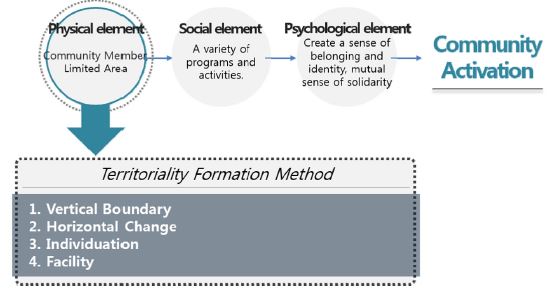
아파트 오픈스페이스에서 커뮤니티가 활성화되기 위해서는 먼저 커뮤니티 형성이 원활하게 이루어져야 하며 이는 물리적, 사회적, 심리적 측면에서 볼 수 있다. 물리적 측면에서는 우선적으로 커뮤니티의 주체인 구성원이 있어야 하며 커뮤니티가 발생되기 위해서는 영역이 한정되어야 하는데, 넓은 의미로 지역적으로 한정되어야 하고 좁은 의미로는 주거 공간 내 거주자 간 공통된 생활문화와 환경을 바탕으로 한정된 영역을 확보하고 공유할 수 있어야 한다. 이러한 물리적 요소를 바탕으로 사회적 측면에서 다양한 프로그램 및 활동, 사적 교류, 거주자 중심의 관리·운영, 경제적 활동 등을 통해 구성원들 간의 사회적 상호작용이 이루어짐으로써 심리적으로 집단적 정체성과 애착심, 상호 간의 연대감 형성, 거주 만족감 증가 등이 나타난다. 이처럼 커뮤니티 활성화는 물리적 환경을 기반으로 사회적 상호작용이 증진되면서 커뮤니티의 생존력을 더욱 강화시키게 되며 지속적으로 유지 및 발전되는 것이다.

영역성(territoriality)은 1920년 영국의 조류학자 엘리옷 하워드가 처음 제시한 개념으로, 다양한 요소를 통해 일정 범위의 공간을 구획하고 이를 이용하는 개인 또는 그룹이 물리적·심리적으로 소유 또는 방어하는 행위를 말한다. 이를 통해 인간은 소속감, 안정감을 느끼게 되며 프라이버시와 커뮤니티를 조절한다. 랭(Lang, 1987)은 아파트를 비롯한 주거디자인에 있어 만나고 함께 일하며 공동시설을 이용하는 것에 대한 지원성이 이루어질 때 사람들 간 상호교류 수준이 넓어지며, 이러한 상호교류는 영역성과 프라이버시가 확보되었을 때 더욱 촉진된다고 하였다. 4) 아파트에서 주동을 제외한 모든 공간은 공간의 사용용도나 동선의 흐름에 따라 영역화되어 있으며, 개방적이고 경계가 없는 공간이라 할지라도 고정적 영역은 존재하고 자신이 속해있는 위치에 개인 소유물을 두는 등의 행위를 통해 인간은 끊임없이 자신만의 영역을 만들어낸다. 즉, 커뮤니티와 영역성은 상호작용하는 관계이며 동일한 범위를 경계를 통해 기호화, 구체화시킴으로써 개체 간의 안정된 관계뿐만 아니라 전체에 질서를 부여하여 거주자들의 긴밀한 이용이 가능하도록 한다.

또한 영역성은 아이덴티티, 적정자극, 안전, 사회적 안정의 기능을 한다. 첫째, 아이덴티티는 프라이버시를 획득하기 위한 수단이 되며 외부인에 대해서 명확한 경계를 통해 접근을 통제할 수 있고, 거주자들에게는 공감대 형성으로 일체감, 결속감을 갖도록 하여 자아정체 발달에 기여하게 된다. 둘째, 적정자극은 개인이나 집단에 따라 다르고 주변의 물리환경으로부터 영향을 받는다. 영역이 확보되었을 때 그로부터 자신을 확인하고 외부로부터의 자극을 생리적, 심리적 안락을 느끼게 하는 적정수준으로 조절한다. 셋째, 주거환경에선 안전은 개인이나 집단이 영역 내에서 일어나는 일이나 외부인의 접근을 통제하고 침임에 대해 방어함으로써 자신들의 영역을 보호하며 유지하려는 것이다. 주거지와 그 주변 영역에 대한 거주자의 통제 정도에 따라 방어적 태도 및 주거환경에 대한 만족도가 변화하게 된다. 넷째, 인간에게 사회적 조직과 상호작용을 통해 조직에 필요한 사회적 안정을 제공한다. 사회적 안정을 수행함에 있어서 표식과 개성화 행동을 취하는데 이런 행동은 영역성의 방어적 기능과 상통하는 것으로 볼 수 있고 또 이것은 다른 집단 구성원들의 시야로부터 공간을 구획지기 위한 것이다.

3. 아파트 오픈스페이스의 영역성 형성방법

아파트 오픈스페이스는 구획되어지지 않은 공적공간으로, 바닥과 벽이라는 두 요소에 의해 한정되며 날씨에 영향을 많이 받는다. 일반적으로 심미성을 고려한 조형물이 설치되거나 벤치, 파고라와 같은 휴식요소가 제공되며 비교적 쉽게 개인적 영역을 형성할 수 있다. 불특정 다수의 심리적 안정감 확보와 활동 유도를 동시에 제공할 수 있도록 명확하고 한정된 물리적 영역이 확보되어야 한다. 5) 아파트 오픈스페이스의 영역성 형성방법을 도출하기 위해 선행연구를 보면 <Table 1>과 같다.

Table 1.

Territoriality Development Method in Antecedent Research

ResearcherDevelopment Method
Choi, M. O. (1999)LimitationChange of wall, floor, and ceiling
Residence timeFinishing materials, lightning, ray
CentralityAxis, spatial volume, sense of place
EnclosureDefense using visible boundary, territory using security
Miller, S. & Schlitt, J. K. (2000) Enclosing wallTotally closed wall, blind, louver, translucent sliding wall
PartitionPanel, screen, counter, plants
ObjectStructural elements
FormShape of space ex) l-type, clover-type, alcove-type
Height changeChange height of floor or ceiling
Light, Color, PatternChange lightning, pattern, or color
Yook, H. I. (2000)Boundary controlVertical elements, horizontal elements, Floor change
Individuation and defenceDefine entrance, symbol for territoriality
AccessibilityBorderland, change of visibility
Lee, H. J. (2004)Physical aspectColumn, wall, floor, ceiling
Psychological aspectSound, light, depth, distance, interval
Seo, H. Y. (2007)Physical expressionWall, fence, entrance with lock, ushaped building
Symbolic expressionChange of pavement floor, level change, streetlight, open entrance, low fence, planting
Jeong, S. H. (2011)Hierarchical boundaryPhysical arrangement(height, shape), penetration (opaque, translucence, transparency)
Multiple stepsFloor difference(climb, descent, transition space, water space), paving exchange (pattern, material, color, structure)
Limited planeMaterial and method of structure(material, shape), scale(height)
Kong, M. N. (2012)Physical boundaryVertical elements(wall, tree, column, water space), horizontal elements(floor change, borderland, water space), shape elements
Psychological boundarySound, light, depth, distance interval
Individuation and defenceDefinition of entrance, territorial symbol

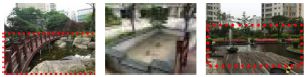
위의 선행연구를 바탕으로 영역성 형성 방법을 정리하면 다음과 같다. 외부공간의 영역성 형성 방법을 고찰하는 것임으로 수평적 요소인 천장은 제외하였다. 첫째, 수직적 경계조절은 물리적, 시각적으로 영역을 분리함으로써 서로 다른 공간정서를 갖게 하며 상호관계를 가지면서 확장, 수축 등 공간의 변화에 영향을 미치게 된다. 이를 위한 방법으로 벽은 영역성 형성에 있어 가장 기본적이고 명확한 방법이며 이외에 수목, 담장, 기둥 등이 있다. 둘러싸인 면의 수는 영역성의 정도를 조절하고 동선의 흐름에 영향을 미친다.

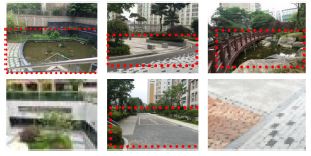
둘째, 수평적 변화이다. 제한 없이 연장되어 있는 수평면에서 인간은 불안정해지면서 자신의 위치를 명확한 영역에서 확인하고자 한다. 재료, 색, 패턴의 변화를 통해 영역을 구분하고 방향 전환으로 자연스럽게 다른 공간이 등장함을 인지하게 되며 조망에 영향을 미친다. 또한 바닥면의 높낮이를 조절하여 공간을 강조하거나 깊이감을 줄 수 있다.

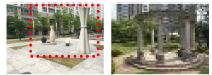
셋째, 개성화는 상징물이나 오브제 등을 통해 공간에 상징성을 부여하고 입구를 규정하여 다른 공간과의 차별성, 공간만의 개성을 표현할 수 있다. 이는 거주자들의 소속감을 고취시키고 주변 환경과의 결속을 강화시킨다. 상징물은 공간의 특성을 나타내며 일정공간의 의미를 정의한다. 입구는 공간의 출입을 나타내며 공간의 분리를 의도하여 시각적, 심리적 인지를 조절한다. 6)

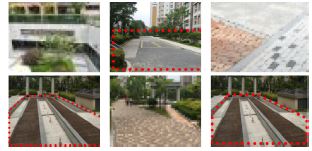
넷째, 장치요소는 벤치, 파고라, 정자, 분수대 등이 해당되며 사람들이 머무를 수 있게 하여 휴식, 놀이, 대화, 이벤트와 같은 다양한 행위, 활동을 유도할 수 있다.

이를 표로 정리하면 <Table 2>와 같다.

Table 2.

Territoriality Development Rearrangement

ItemContent
Vertical BoundaryWall is the most basic and clear method. There are other method such as tree, fence, column. The number of side decides the degree of territoriality and can control the flow of human traffic.
Horizontal Change① The change of material, color, and pattern is the easiest method to recognize the form of territoriality, which can be recognized as a different space and can affect on view.
② Height difference of floor can emphasize space or depth and can form a transition area using steps or ramp.
IndividuationSymbol or object can be used to define entrance, differentiation from other spaces, intended separation, and personality of space.
FacilityBenches, pergola, fountains etc. can make people stay and induce various activity such rest, play, or conversation.

III. 사례분석

1. 조사대상

본 연구의 조사대상지는 광주광역시 아파트 오픈스페이스이다. 광주광역시는 전국에서 아파트 거주율이 63.5%로 가장 높고, 주민등록인구통계(2015)에 따르면 북구와 광산구는 다른 구에 비해 높은 거주율을 보이고 있어 사례분석에 의미가 있다고 판단되어 선정하였다. 물리적 환경 변수를 최소화하고자 2006년 이후 준공된 500세대 이상 800세대 미만의 아파트 6곳을 사례로 선정하였다.

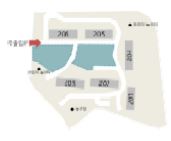
사례분석 방법으로는 대상지의 일반적인 사항은 인터넷 자료를 통해 조사한 후 2016년 5월 15일~22일까지 현장 방문을 통해 진행되었다. 조사대상 아파트 단지의 일반적인 사항은 <Table 3>와 같다.

Table 3.

Investigation Site Overview
1S Apartment4K Apartment
LocationYangsan-dong, Buk-guhttps://cdn.apub.kr/journalsite/sites/khousing/2016-027-06/N0450270601/images/JKHA_2016_v27n6_1_t003-1.jpgLocationSuwan-dong, Gwangsan-guhttps://cdn.apub.kr/journalsite/sites/khousing/2016-027-06/N0450270601/images/JKHA_2016_v27n6_1_t003-2.jpg
Completion Year/Month2006.07Completion Year/Month2008.12
Scale complex23F/6Scale complex19~25F/10
Number of households506Number of households753
2W Apartment5M Apartment
LocationUnam-dong, Buk-guhttps://cdn.apub.kr/journalsite/sites/khousing/2016-027-06/N0450270601/images/JKHA_2016_v27n6_1_t003-3.jpgLocationSuwan-dong, Gwangsan-guhttps://cdn.apub.kr/journalsite/sites/khousing/2016-027-06/N0450270601/images/JKHA_2016_v27n6_1_t003-4.jpg
Completion Year/Month2007.04Completion Year/Month2009.02
Scale complex4~15F/10Scale complex20~25F/7
Number of households599Number of households570
3J Apartment6D Apartment
LocationSinyong-dong, Buk-guhttps://cdn.apub.kr/journalsite/sites/khousing/2016-027-06/N0450270601/images/JKHA_2016_v27n6_1_t003-5.jpgLocationSuwan-dong, Gwangsan-guhttps://cdn.apub.kr/journalsite/sites/khousing/2016-027-06/N0450270601/images/JKHA_2016_v27n6_1_t003-6.jpg
Completion Year/Month2014.05Completion Year/Month2013.12
Scale complex15~25F/9Scale complex15~24F/10
Number of households613Number of households659

사례 분석을 위해 이상 커뮤니티 활성화와 영역성에 대한 선행연구를 정리하면 <Figure 1>과 같다. 커뮤니티 활성화 요소로써 영역성이 어떠한 방법으로 형성되는지 사례 분석하고자 한다.
https://cdn.apub.kr/journalsite/sites/khousing/2016-027-06/N0450270601/images/JKHA_2016_v27n6_1_f001.jpg
Figure 1.

Case Analysis Framework

2. 사례분석

1) 수직적 경계조절

Table 4.

Vertical Boundary
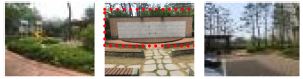
CaseImageDevelopment Method
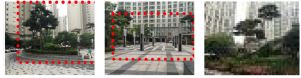
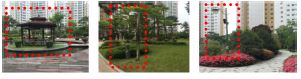
1https://cdn.apub.kr/journalsite/sites/khousing/2016-027-06/N0450270601/images/JKHA_2016_v27n6_1_t004-1.jpg-The stage and playground are separated with wall which clarifies the territoriality of stage and make them concentrate on the activities.
-Enclose the entire space through tree, fence.
-Formation by a natural ingredient, such as trees, shrubs and flowering trees green space.
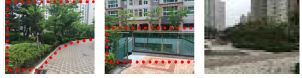
2https://cdn.apub.kr/journalsite/sites/khousing/2016-027-06/N0450270601/images/JKHA_2016_v27n6_1_t004-2.jpg-Enclose the entire space through trees, light column.
-Secure safety from water play space through fence.
-Formation by a natural ingredient, such as trees, shrubs and flowering trees green space.
3https://cdn.apub.kr/journalsite/sites/khousing/2016-027-06/N0450270601/images/JKHA_2016_v27n6_1_t004-3.jpg-Enclose the entire space through trees, shrubs, fence.
-Formation by a natural ingredient, such as trees, shrubs and flowering trees green space.
4https://cdn.apub.kr/journalsite/sites/khousing/2016-027-06/N0450270601/images/JKHA_2016_v27n6_1_t004-4.jpg-Enclose the entire space through trees, fence.
-Secure safety from the sunken garden through fence.
-Secure safety from water space through low shrubs.
-Formation by a natural ingredient, such as trees, shrubs and flowering trees green space.
5https://cdn.apub.kr/journalsite/sites/khousing/2016-027-06/N0450270601/images/JKHA_2016_v27n6_1_t004-5.jpg-Enclose the entire space through trees, fence.
-Secure safety from water space through low shrubs.
-Enclose the fountain through column.
-Formation by a natural ingredient, such as trees, shrubs and flowering trees green space.
6https://cdn.apub.kr/journalsite/sites/khousing/2016-027-06/N0450270601/images/JKHA_2016_v27n6_1_t004-6.jpg-Enclose the entire space through trees, fence.
-Secure safety from the sunken garden through fence
-Enclose the rest space through column.
-Formation by a natural ingredient, such as trees, shrubs and flowering trees green space.

2) 수평적 변화

Table 5.

Horizontal Change
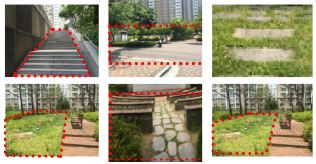
CaseImageDevelopment Method
1https://cdn.apub.kr/journalsite/sites/khousing/2016-027-06/N0450270601/images/JKHA_2016_v27n6_1_t005-1.jpg-The similar patterns of step and floor increase the connectivity among open spaces.
-Directional change of space through level difference in floor or the change of pattern makes natural inflow.
-The pattern of floor can change the spatial direction to natural inflow.
-Water space using the different level of floor can make people interested and stay.
-Separate from the street through pattern change and level difference of floor.
-Secure safety from parking lot through the level difference of the floor.
-Secure visual openness through the slope of the floor.
-Improved aesthetic through a variety of natural materials and colors.
-Nature friendly, attractive space composition formed water space by the difference between the bottom surface.
2https://cdn.apub.kr/journalsite/sites/khousing/2016-027-06/N0450270601/images/JKHA_2016_v27n6_1_t005-2.jpg-Connectivity with playground can be made using similar material on the floor.
-Interest can be induced with water play space using level difference of the floor.
-Similar pattern of the floor increases the connectivity to surroundings.
-Improved aesthetic through a variety of natural materials and colors.
-Nature friendly, attractive space composition formed water space by the difference between the bottom surface.
-Improved aesthetic through a variety of natural materials and colors.
-Nature friendly, attractive space composition formed water space by the difference between the bottom surface.
3https://cdn.apub.kr/journalsite/sites/khousing/2016-027-06/N0450270601/images/JKHA_2016_v27n6_1_t005-3.jpg-Test area is formed through material change of the floor. stay.
-Natural pattern change makes natural inflow.
-Similar pattern of the floor increases the connectivity to surroundings.
-Interest can be induced with water play space using level difference of the floor.
-Separate from the streen through the level difference of the floor and bollard lamp.
-Secure safety from water space through the level difference of the floor.
-Improved aesthetic through a variety of natural materials and colors.
-Nature friendly, attractive space composition formed water space by the difference between the bottom surface.
4https://cdn.apub.kr/journalsite/sites/khousing/2016-027-06/N0450270601/images/JKHA_2016_v27n6_1_t005-4.jpg-Interest can be induced with water play space using level difference of the floor. stay.
-Improved aesthetic through a variety of natural materials and colors.
-Nature friendly, attractive space composition formed water space by the difference between the bottom surface.
5https://cdn.apub.kr/journalsite/sites/khousing/2016-027-06/N0450270601/images/JKHA_2016_v27n6_1_t005-5.jpg-Natural inflow through the slope of the floor.
-Interest can be induced by forming sunken garden through level separation of the floor.
-Interest can be induced with water play space using level difference of the floor.
-Enclose the entire space through the level difference of the floor.
-Improved aesthetic through a variety of natural materials and colors.
-Nature friendly, attractive space composition formed water space by the difference between the bottom surface.
6https://cdn.apub.kr/journalsite/sites/khousing/2016-027-06/N0450270601/images/JKHA_2016_v27n6_1_t005-6.jpg-Forming sunken garden through level separation of the floor.
-Steps increase the connectivity to the sunken garden.
-Interest can be induced with water play space using level difference of the floor.
-Secure safety from the street through the pattern change of the floor, level difference.
-Improved aesthetic through a variety of natural materials and colors.
-Nature friendly, attractive space composition formed water space by the difference between the bottom surface.

3) 개성화

Table 6.

Individuation

CaseImageDevelopment Method
1https://cdn.apub.kr/journalsite/sites/khousing/2016-027-06/N0450270601/images/JKHA_2016_v27n6_1_t006-1.jpg
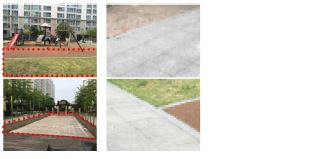
2-5https://cdn.apub.kr/journalsite/sites/khousing/2016-027-06/N0450270601/images/JKHA_2016_v27n6_1_t006-2.jpg-Improved aesthetic through a variety of sculptures.
-Open space symbolizes that through the sculpture, or other spatial differentiation and regulations given by the entrance

4) 장치요소

Table 7.

Facility
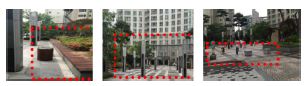
CaseImageDevelopment Method
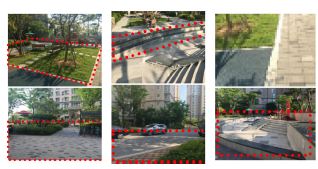
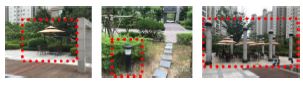
1https://cdn.apub.kr/journalsite/sites/khousing/2016-027-06/N0450270601/images/JKHA_2016_v27n6_1_t007-1.jpg-Stay through pergola or bench.
-Support for night activity through bollard lamp, street lamp.
-Secure safety through bollard lamp, street lamp.
-Secure safety of performance stage through lightning.
2https://cdn.apub.kr/journalsite/sites/khousing/2016-027-06/N0450270601/images/JKHA_2016_v27n6_1_t007-2.jpg-Stay through pergola or bench.
-Support for night activity through street lamp, floor lamp, etc.
-Secure safety through lamp bench, floor lamp, or street lamp.
-Secure children safety through table arrangement around water play space.
3https://cdn.apub.kr/journalsite/sites/khousing/2016-027-06/N0450270601/images/JKHA_2016_v27n6_1_t007-3.jpg-Stay through pergola or bench.
-Support for night activity through bollard lamp, street lamp.
-Secure children safety through arrangement of table and bench around play space.
-Secure safety through bollard lamp, street lamp.
4https://cdn.apub.kr/journalsite/sites/khousing/2016-027-06/N0450270601/images/JKHA_2016_v27n6_1_t007-4.jpg-Stay through pergola or bench.
-Support for night activity through bollard lamp, street lamp.
-Secure safety through bollard lamp, street lamp, floor lamp.
5https://cdn.apub.kr/journalsite/sites/khousing/2016-027-06/N0450270601/images/JKHA_2016_v27n6_1_t007-5.jpg-Stay through pergola or bench.
-Induce interest and various activity through a fountain.
-Support for night activity through street lamp.
-Secure safety through street lamp.
-Secure safety from the street through bollard lamp.
6https://cdn.apub.kr/journalsite/sites/khousing/2016-027-06/N0450270601/images/JKHA_2016_v27n6_1_t007-6.jpg-Stay through pergola or bench.
-Induce interest and various activity through a fountain.
-Support for night activity through bollard lamp.
-Secure safety through bollard lamp, street lamp.
-Secure children safety through arrangement of table and bench around water space.

3. 소결

본 연구는 광주광역시 북구, 광산구 내 2006년 이후 준공된 500세대 이상 800세대 미만의 아파트 사례를 대상으로 오픈스페이스의 커뮤니티 활성화를 위한 영역성 형성방법을 알아보고자 현장방문을 통해 조사, 분석하였다. 사례분석 결과, 커뮤니티 활성화 요소에 따른 영역성 형성방법의 빈도는 수평적 변화, 수직적 경계조절, 장치요소, 개성화 순으로 나타났다.

수평적 변화에서는 바닥면의 단 차이, 바닥면의 유사 패턴·재료 사용, 바닥면의 패턴·재료 변화, 계단, 바닥면의 층 분리, 경사로 순으로 나타났다. 첫째, 바닥면의 단차이는 수공간, 물놀이 공간과 같이 새로운 영역을 형성하여 공간의 위요성 부여, 사람들의 흥미, 다양한 행위를 유도하고 다른 영역과의 연계성을 부여한다. 또한 주차장, 차도, 수공간으로부터 분리하여 보호하며, 공간의 방향 변화로 공간 내에서 다양한 체험이 이루어질 수 있고 공간으로 자연스럽게 유입될 수 있다. 둘째, 바닥면의 유사한 패턴, 재료의 사용은 놀이터, 유치원, 운동시설 등 주변영역 간 연계성을 부여하여 접근의 편리함을 높일 수 있다. 셋째, 바닥면의 패턴, 재료 변화는 휴식영역 형성, 공간 방향 변화로 다양한 체험, 행위를 유도하고 공간으로 자연스럽게 유입될 수 있다. 넷째, 바닥면의 층 분리로 선큰가든을 조성하여 공간에 대한 흥미를 유도한다. 마지막으로, 경사로를 통해 공간으로의 원활한 유입이 이루어질 수 있고 공간의 시각적 개방감을 부여한다.

수직적 경계조절은 소극적으로 나타났으며 벽을 통해 주변영역과 분리하여 행위가 집중되도록 유도할 수 있으며, 수목, 펜스, 담장, 기둥, 볼라드를 통해 공간의 위요성을 부여하여 위험요소로부터 보호하고 소속감, 안정감을 줄 수 있다. 또한 각종 수목, 관목, 꽃나무 등 자연요소를 통해 친환경적 공간을 형성한다.

장치요소는 조명장치(볼라드등, 가로등 등), 벤치, 파고라, 테이블, 분수대 순으로 나타났다. 볼라드등, 가로등과 같은 조명장치를 통해 야간에도 공간을 이용할 수 있도록 지원하고 어린이의 활동을 보호하며, 벤치, 파고라, 테이블은 머무를 수 있게 하여 우연한 교류, 대화가 증진될 수 있다. 분수대는 흥미를 유도하여 공간에 머무르게 하면서 이용을 증진시킬 수 있다.

개성화는 다양한 조형물을 통해 심미성을 향상시키고 있으며, 오픈스페이스임을 상징하거나 입구를 규정하여 다른 공간과 차별성을 부여하고 있다.

위의 내용을 사례분석을 통해 나타난 빈도에 따라 표로 정리하면 <Table 8>과 같다.

Table 8.

Case Analysis Conclusion

ItemDevelopment Method
Horizontal Change-Level difference of the floor creates new territory to induce people’ interest and various activity and provides connectivity with other territory.
-Similar pattern and similar material of the floor provide connectivity between territories.
-The pattern change and material change of the floor form rest area, induce various experiences and activities using spatial direction change, and inflow naturally into space.
-Level difference and pattern change of the floor separate and protect from the parking lot or street.
-Slope secure visual openness of space.
-Water space using level difference could provide natural and attractive spaces.
-To improve aesthetic impression using natural material, color, and pattern design.
Vertical Boundary-To secure safety of spaces with trees, fence, or column.
-To secure less danger from water space and sunken to induce activity concentration from other territory by wall.
-To develop environment friendly space with natural elements such as trees, shrubs, or flower trees
Facility Elements-To stay at bench, pergola, or table.
-To occur various activities by inducing interest on the fountain.
-To secure night activities with bollard lamp, street lamp, or floor lamp.
-To secure night safety using bollard lamp, street lamp, floor lamp, or lightning apparatus bench.
-To protect children by installation tables or benches around play space.
Individuation-To improve aesthetic impression of space using sculpture.
-To secure the entrance of open space using sculpture.
-To secure difference from other space

IV. 결 론

본 연구는 선행연구를 통해 커뮤니티 활성화를 위해 영역성을 형성하는 것이 중요하므로 이를 형성하는 방법을 사례를 통해 살펴보았다. 영역성은 공간 형성에 있어 필수적인 요소로, 기본적으로 벽, 바닥, 천장을 통해 영역을 형성하며 공간 속 사람은 개인의 소유물을 둠으로써 자신만의 영역을 형성하여 공간에 대한 친밀감, 안정감을 느끼게 되어 다양한 활동이 발생하게 되며 공간의 이용이 지속될 수 있다.

첫째, 장치적 요소로써 벤치, 파고라와 같이 휴식을 위한 장치요소가 많이 나타나고 있으나 보다 다양한 행위를 유발할 수 있는 요소가 필요하며, 대부분의 사례에서 새로운 영역의 형성은 바닥면의 색· 패턴·재료 변화로 다양하게 나타났으나 다소 무분별하게 사용되고 있음을 알 수 있었다. 따라서 바닥면의 디자인은 보행자의 시선에서 고려하여 영역의 변화를 명확하게 인지할 수 있도록 한다.

둘째, 대부분 수직적 경계조절로써 수목보다는 낮은 관목을 사용하고 수목을 적절하게 사용, 배치한다면 공간의 위요성을 부여하면서 시각적 개방감을 확보할 수 있을 것으로 판단된다.

셋째, 주변과의 조화를 고려한 다채로운 색 사용, 오브제, 조형물 등 다양한 디자인 요소를 통해 심미성을 향상시키고 지속적인 이용이 나타날 수 있도록 계획하는 것이 필요하다고 판단된다.

넷째, 조형물을 통해 입구를 규정하거나 공간의 상징성을 나타내고 있지만, 놀이터의 놀이기구처럼 오픈스페이스라는 것을 인식할 수 있도록 랜드마크적 요소를 도입한 오픈스페이스만의 개성 있는 공간 연출을 고려해야 한다.

이상 본 연구에서는 광주광역시 내 아파트 사례를 중심으로 오픈스페이스의 커뮤니티 활성화를 위해 영역성 형성 방법을 분석하였다. 한계점으로는 오픈스페이스 이용자들의 영역성 형성방법, 인식 정도 등 거주자들을 대상으로 한 설문조사가 필요하며 지역적 한계가 있기 때문에 범위를 확대하여 연구되어질 필요가 있다.


Notes

[1] 1) Ministry of land, infrastructure and transport (2015.04.15.). 2014 Korea housing survey. Retrieved from http://hnuri.go.kr/stat/stat_byYearSearchViewPage.do?bbsId=BBSMSTR_000000000011&nttId=311 The proportion of households residing in apartments is increasing steadily from 41.8% in ’06 to 43.9% in ’08, 47.1% in ’10, 46.9% in ’12, and 49.6% in ’14.

[2] 2) Lee, S. Y. (1997). Study on the open space of the action used coarse placement of the co-residential complex. Unpublished master’s thesis, Yonsei University, Seoul, Korea, 22-23.

[3] 3) Kim, D. S. (2013.07.27.). Put the open space in the apartment, lafent. Retrieved from http://www.lafent.com/inews/news_view.html?news_id=109823

[4] 4) Kang, J. M. (1998). A study on design methods and process to process in dwelling affordance for the common territory of high-rise collective housing. Unpublished master’s thesis, Ehwa Womans University, Seoul, Korea, p. 14.

[5] 5) Jeong, S. H. (2011). Territorial design expression and behavior response in urban open space. Unpublished doctoral dissertation, Ehwa Womans University, Seoul, Korea, 34-35.

[6] 6) Yook, H. I. (2000). A study on the apartment housing planning in the environmental psychology. Unpublished master’s thesis, Suwon University, Hwasung, Korea, 56-57.

Acknowledgements

이 논문은 2016년도 조선대학교 교내연구비 지원을 받아 수행된 연구임.

References

1

Choi, M. O. (1999). A study on the boundaries of architectural space. Unpublished master’ thesis, Konkuk University, Seoul, Korea.

2

Jeon, S. M. (2009). An analysis of the community facilities planning in the existing apartment complexes. Unpublished master’ thesis, Seoul University, Seoul, Korea.

3

Jeong, S. H. (2011). Territorial design expression and behavior response in urban open space. Unpublished doctoral dissertation, Ehwa Womans University, Seoul, Korea.

4

Kang, J. M. (1998). A study on design methods and process to process in dwelling affordance for the common territory of high-rise collective housing. Unpublished master’ thesis, Ehwa Womans University, Seoul, Korea.

5

Kim, D. S. (2013.07.27.). Put the open space in the apartment, lafent. Retrieved from http://www.lafent.com/inews/news_view.html?news_id=109823

6

Kim, H. K. (2001). Community design for urban housing complex. Unpublished master’ thesis, Konkuk University, Seoul, Korea.

7

Kim, Y. K. (2015). A study on the outdoor space planning in the apartment complex for activating the local community. Unpublished master’ thesis, Yonsei University, Seoul, Korea.

8

Kong, M. N. (2012). A study on design methods of territoriality and privacy domestic townhouse. Unpublished master's thesis, Konkuk University, Seoul, Korea.

9

Korea national housing corporation (2001). A study on the promotion of the community in multi-family housing complex. Korea: housing & urban research Institute.

10

Kwak, Y. J. (2012). A study on the usage enhancement of outdoor spaces in high-rise apartment housing estates. Unpublished doctoral dissertation, Chungnam University, Daejeon, Korea.

11

Lee, H. J. (2004). A study on the expression of the contemporary architecture by cognition of boundary. Unpublished master’ thesis, Jeonnam University, Gwangju, Korea.

12

Lee, S. Y. (1997). Study on the open space of the action used coarse placement of the co-residential complex. Unpublished master’ thesis, Yonsei University, Seoul, Korea.

13

Lee, Y. S. (1995). Future housing and community facilities. Seoul: Geongchunsa.

14

Miller, S., & Schlitt, J. K. (2000). Interior space: Design concepts for personal needs. In Ru, H. C. (Trans.), Interior design & environmental psychology. california: praeger. (Original work published 1985)

15

Ministry of land, infrastructure and transport (2015.04.15.). 2014 Korea housing survey. Retrieved from http://hnuri.go.kr/stat/stat_byYearSearchViewPage.do?bbsId=BBSMSTR_000000000011&nttId=311

16

No, D. G. (2012). A study on the planning method of common facilities in co-residential complexes to activate the community. Unpublished master’ thesis, Yonsei University, Seoul, Korea.

17

Seo, H. Y. (2007). A study on the representation of territoriality and improvements for the outdoor space in high-rise apartment housing. Unpublished master’ thesis, Chungnam University, Daejeon, Korea.

18

Yang, S. A., Lee, J. H., & Ha, M. K. (2011). Study on the importance of environmental planning factors for community activation of housing complex. Proceedings of the journal of the architectural institute of korea, Vol.31, No. 2 (pp. 151-152), Seoul, Korea.

19

Yook, H. I. (2000). A study on the apartment housing planning in the environmental psychology. Unpublished master’ thesis, Suwon University, Hwasung, Korea.

20

Yoon, Y. H. (2012). Planning study of service facilities in apartment for activating community. Unpublished master’ thesis, Sungkyungwan University, Seoul, Korea.

페이지 상단으로 이동하기