


I. Introduction
1. Overview Mekong Delta and An Giang province
The Mekong Delta is located in the South-East of Vietnam, bordering the East Sea (a part of the Pacific Ocean). It stretches from 10 North latitudes down and covers approximately 40500 km2. This region is considered a significant strategic position at the center of Southeast Asia that establishes relationships with many countries. The Vietnamese Mekong Delta region comprises 13 provinces: Long An, Dong Thap, Tien Giang, An Giang, Ben Tre, Vinh Long, Tra Vinh, Hau Giang, Kien Giang, Soc Trang, Bac Lieu, and Ca Mau, along with the province-level municipality of Can Tho. This region's population is over 21 million people, equivalent to 22% of the whole of Vietnam's population (Boretti, 2020). Mostly are rural people with an average of about 75% of the region's population, and agricultural labor occupies 70% (Konishi, 2017). The population is densely populated in areas along the side of the Tien and Hau rivers, because of the favorable natural conditions, that vitalizes the economies of agriculture, aquaculture, and tourism, especially shapes vital economic regions of the Delta such as An Giang, Kien Giang, Can Tho, Ca Mau. The Mekong Delta’s contributes significantly to the national economy, it exports 90% of the rice and it is the second biggest rice exporting region in the worldwide (Nguyen & Kawaguchi, 2002)
This region is characterized by hot and humid tropical climates and is strongly influenced by the Asian monsoon system. Therefore, there are usually two seasons in a year, the dry season and the rainy season (Vormoor, 2010). Southwest monsoon causes heavy rainfall, accounting for more than 80% of annual rainfall, and occurring between May and October. According to date of 2019 provided by the Administrative Unit, Land and Climate, the average yearly air temperature is 28°C and less volatile. The annual humidity is relatively high, about 73.75%. Total annual rainfall is over 2000 mm. However, the Mekong Delta owns perfectly geographical and climate conditions to develop an agricultural economy, especially wet rice planting. Otherwise, being a low-lying coastal region, the Mekong Delta is particularly susceptible to floods resulting from rising sea levels due to climate change (Climate-adapt, 2019).
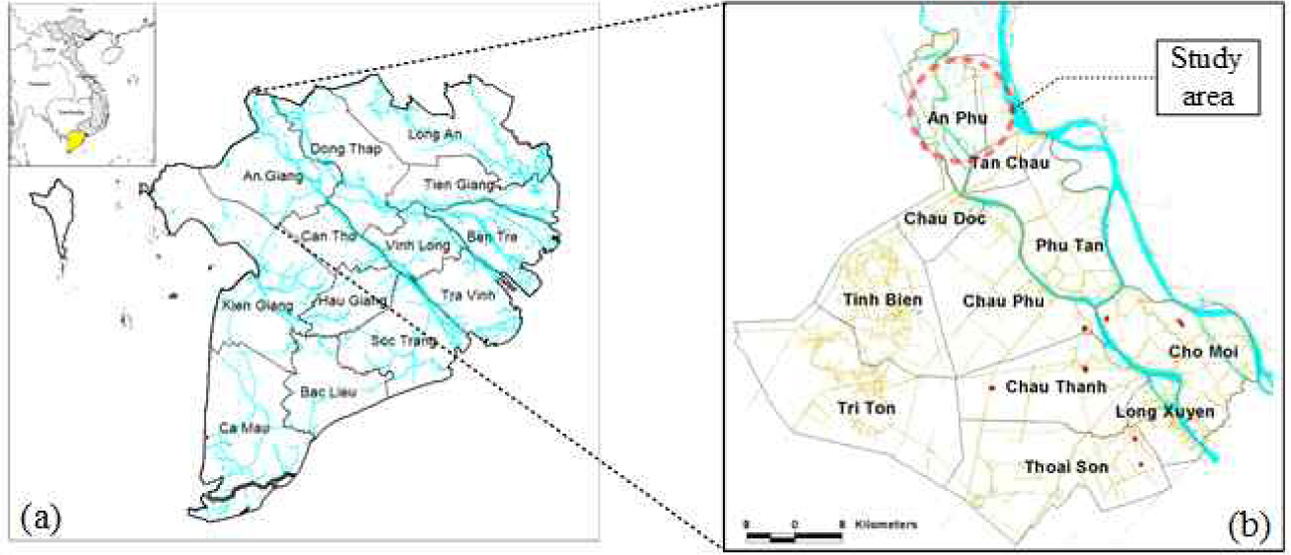
In the rainy season (from August to October), the flow heads into two main river branches, Tien and Hau, about 80-85%. Therefore, the considerable majority, about 50% of the Delta, is in flood seasonally up to 3 meters, mainly in Đong Thap Muoi and Tu Giac Long Xuyen, An Giang (Le, et al., 2007). Flood affects more than 2 million local inhabitants and takes pollution (Vietnam, 2005). On the whole, the Mekong Delta has been affected by climate impacts such as storms, floods, landslides, saline intrusion, especially floods within ten years (2000-2010).
Nowadays, climate change presents significant challenges to Vietnam, especially the Mekong Delta region (Lee et al., 2020). The Mekong Delta region’s economy is being affected day by day because agriculture in this region still mostly depends on nature. Besides, the sea-level rise causes about 40% of the Cuu Long River Delta area to be inundated, while floods submerge nearly 50% of agricultural land. It led to no longer available agricultural land for cultivation. The saline intrusion in the coastal area is more serious; if the sea level rises more than 1 meter, about 1.77 million hectares of land will be salty (45% of the land area) (Pham & Furukawa, 2007).
An Giang is one of 13 provinces in the Mekong Delta region in Vietnam, located upstream of the Mekong River within Vietnam territory. An area of 3,537 km2 contains about 1.908.350 inhabitant’s bases on 2019 data. This region is inhabited by four main communities of Kinh, Hoa, Cham, and Khmer Krom (Ministry of agriculture and rural development of Vietnam, 2016), that forms a unique mosaic cultural culture. This region covers a large rice production area. According to Tran & Weger(2018), An Giang will be affected by abnormal climate changes such as floods, heavy rain, drought, and saline intrusion.
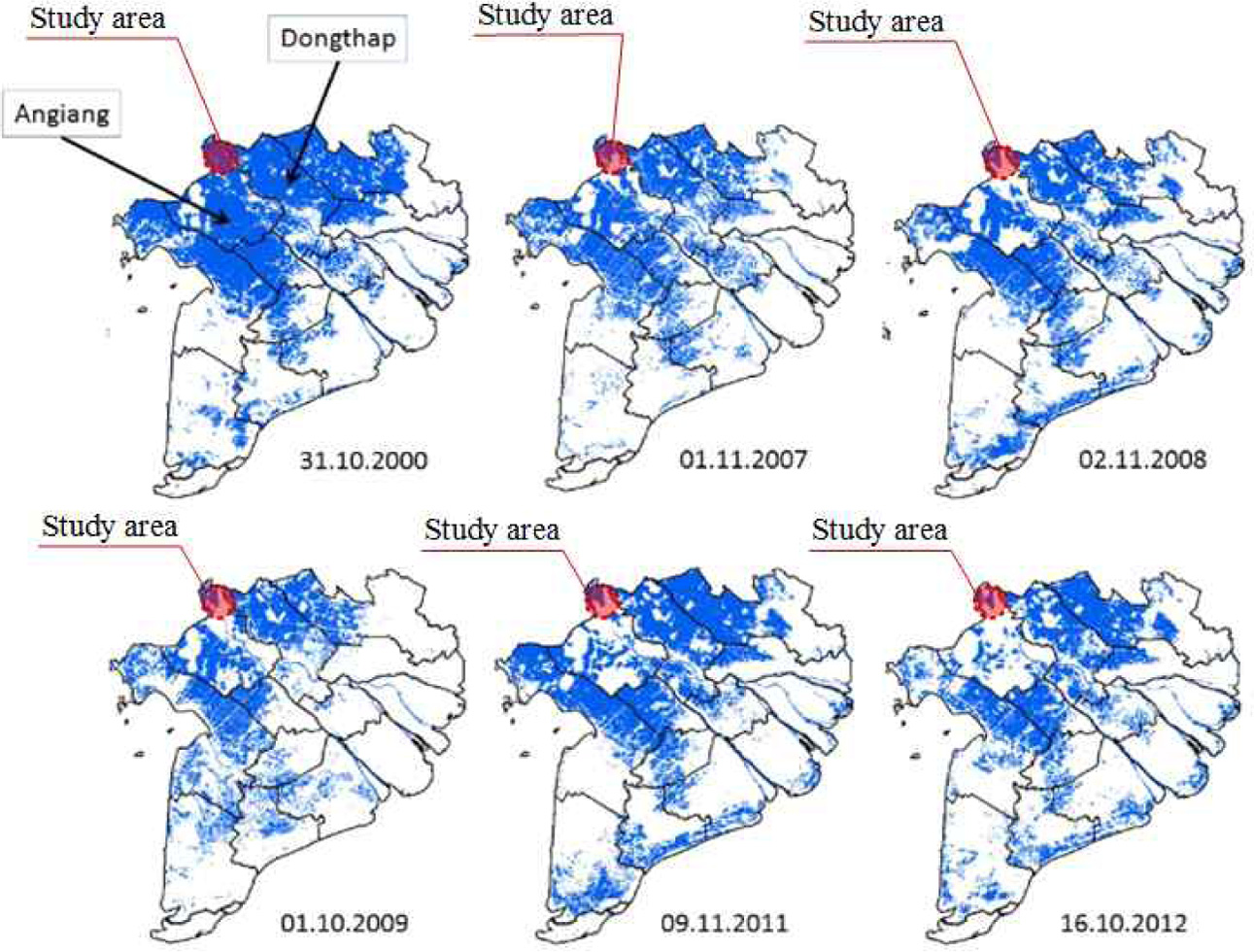
The floods in An Giang are divided into three levels, including high, medium, and low levels. The average level of inundation varies between 0.3 to 3 meters, depending on the topography of each place. Floods slow down with an average flood intensity of 10-15cm/day. Local people stated that the flood in this study area is small and slow flood in these years, <Figure 2>.
2. Previous study and the objective
A number of the Cham houses built 40 years ago have been being used, whose typology is appreciated adaptable natural condition abilities, especially in terms of geography and inevitable disasters. Nguyen et al.(2011) studied the climate responsive design strategies of vernacular housing in Vietnam. However, the study has focused on all housing typologies in Vietnam, not including Cham housing, to generally investigate the physical characteristics of architectural forms. Nakamura(2020) analyzed the ethnicity of the Cham in Vietnam. In this study, the author introduced Cham housing in Mekong Delta, but it described the housing physics without analyzing and evaluating housing. Vu and Duong(2018) investigated the four typical housing types in Vietnamese Mekong Delta: boat house, floating house, house on stilts in a river, half stilts-half land house, without stilt housing on the ground Thus, the influence of Cham housing typology on the design of flood adaptation housing has not been conducted so far.
Therefore, this study presents an analysis and evaluation of the Cham housing at the Mekong Delta in terms of building physics. First, a survey on 15 of Cham housing from the 1970s-the 2000s was conducted in terms of settlement characteristics, planning schemes, forms, façades, and building materials. Then, Cham housings in the Vietnamese Mekong Delta were analyzed to characterize their features. Next, the flood adaptation architectural characteristics were listed, drawing attention to the fact that the findings should be considered a precept in current flood adaptation housing design.
II. Cham Ethnic Group
The Cham people living in Vietnam are roughly divided into two main groups: the Cham living in the south-central coast area and the Cham living in the Mekong Delta (especially in An Giang province) (Nakamura, 2020). There are differences between the two groups. The Cham living in the south-central coast area prefer to live away from the Kinh (Vietnamese groups). They make a unique culture by them-self, while Cham living in the Mekong Delta has lived next to Kinh village to exchange culture between two groups. According to (Nakamura, 2009), Cham housing in the Mekong Delta has lost its Cham authenticity compared to the south-central Vietnam Cham.
Among these ethnic groups, the Cham is the third largest communities in An Giang after Kinh and Khmer groups, accounting for 0.67% of the total An Giang population. They originated from the South Central region’s Cham in Vietnam, and some Cham people came from foreign countries like Cambodia, Malaysia, and Indonesia (Vo, et al., 2019). The Cham people settled down villages along the Hau River around the Chau Doc market or three isles, including Chau Phu Phu Tan and An Phu of An Giang Viet Nam.
Both Kinh and Cham groups moved to the Vietnamese Mekong Delta nearly at the same time, so boundaries between the two ethnic-group communities remain confused. However, the Cham in Mekong Delta still speak their language, and they use Vietnamese when they communicate with other communities or use official writing. Moreover, almost all Cham in Mekong Delta believes in Sunni Muslims (Nakamura, 2000).
1. Economic
Generally, Cham people carry out the combined economic activities such as agricultural production, fishing, traditional crafts, weaving, and small business. According to Vo et al.,(2019), the economy activity of the Cham people is various, which is combination of agricultural production with fishing, craft weaving, and trading. Cham people established their villages mostly along the Hau River and canals, so the Cham men principally work in freshwater fishing, while their women retain inside the house and keep going on the occupation of the traditional handicraft weaving. Almost the Cham women suffer social limitations by reason of their particular culture and belief so that this work is eminently suitable for them. This also implicates the development of retailed and scattered trading, normally far from their residence.
2. Culture and religion
In general, Almost The Cham in the Mekong Delta practice Sunni Muslims. The religious beliefs (Islam) profoundly dominate the Cham people’s spiritual, cultural, economic, and social life in the Mekong River Delta. For the Cham Muslims, the Coran sutra is their reason for life and morality and demonstrates the Cham society’s behavior and laws. Therefore, their children have to study the Koran, especially for men. In addition, the Cham group usually speak dialect to their children at home and in their community and use Vietnamese at school or work. Cham Muslims have important customs such as: keeping Ramadan, making a pilgrimage to the holy place, giving every year. The strong belief in religion makes the social norms in Cham’s life, leading to the difference in men’s and women’s roles. It is fundamental to note that the Cham men have a higher position than women in family and society as well.
3. Characteristics of Cham’s accommodation
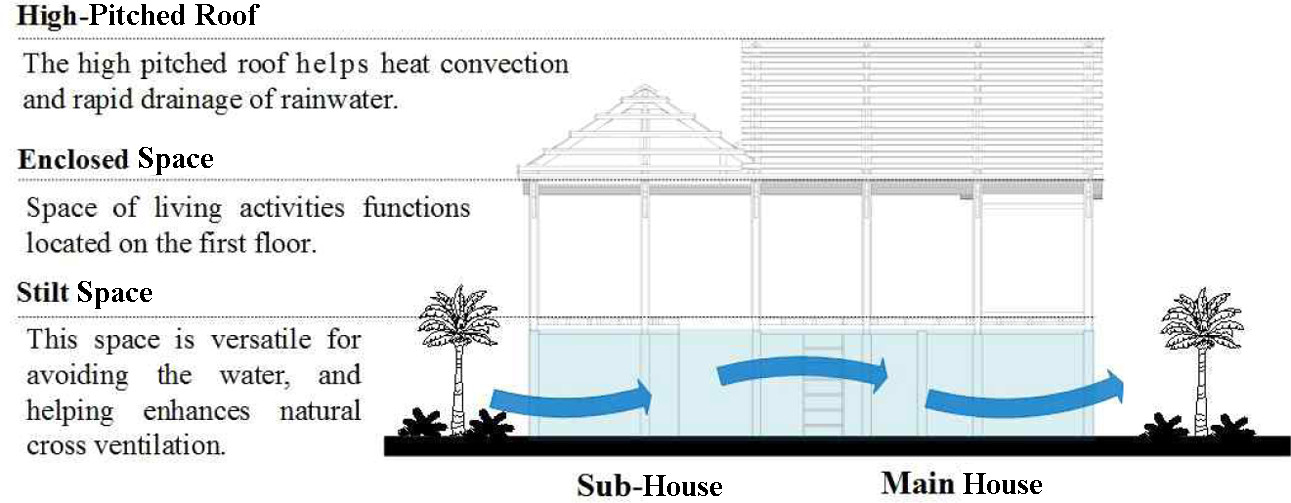
Most of Cham’s accommodation is located along the river branched. The Cham’s accommodation is a wooden house on high stilts, which has a ladder in the front of the house to go up and down. The ground floor is often empty and used for avoiding floods. The Cham stilt housing is designed very delicately in a large and airy space with the environment such as the facade of Cham stilt housing face to the south, there are many windows, a large veranda is provided in the front of the house to catch the breeze, etc. The spatial configuration is divided with a clear purpose. Unlike the other ethnic housing in the Mekong Delta, there is little furniture in space of Cham’s stilt hocusing. Therefore, when guests visit the Cham stilt housing, the host often spreads a mat or carpet on the wooden floor for sitting cross-legged. Currently, a large number of Cham stilts housing have remained in An Giang province and has become a unique housing typology in the Vietnamese Mekong Delta.
III. Methods
The Cham housing located along the Hau River, so this research proposes a new approach for analysing the Cham housing in term of building physics. This approach includes three subsequent steps as shown in <Table 1>.
Table 1.
Steps Applied to This Study
1. Step 1. Research-site selection
This study selected the Cham villages in Tan Phu district-An Giang, where has existed Cham communities for long time. The Cham houses in the village have expressed a relationship between their dwellings and environment. The selection procedure had four following steps:
1) The satellite map was used to identify the Cham village location-based dense building footprints, focusing along the Hau river;
2) The collected documents, which relate to the history, socio-culture of the Cham ethnic group, were summarized in this study;
3) The numerous visits were conducted to survey various areas of An Giang province;
4) The interviews with the owner of these houses were performed to collect more necessary information about the housing context. This is a base to rationally explain each proper configuration of each house.
2. Step 2. Actual survey and field measurement in Cham village
The particularity of Cham ethnic group is living in stilt housing, which covers the majority of housing in An Giang. Hence, The Cham housings smaples in this study must be selected in accordance with three primary criteria such as:
1) Housings were owned by Cham communities;
2) Housing were located in the affected zone by annual flooding;
3) Housings were built before the 2000s year.
The survey was conducted between May 2020 and September 2020 in order to represent the actual status of these housing samples ro examine their flood adaptation ability. Following previous criteria, 15 buildings were finally selected from Cham Villages in An Giang. These samples were sorted in order of the construction time. In addition, the local geography and climate condition is an important factor that decide the complexion of the Cham housing. The variation and adaption of houses were extracted from the evaluation by concentrating on building characteristics such as housing form, size, orientation, building material. Selected samples were photographed from the field study and analyzed based on the natural aspect. The conclusion was drawn from their similarities to the flood adaptation.
3. Step 3. Systematic analysis
A process of systematic analysis was carried out to assess the characteristics of housing. A database was examined from the information recorded in the survey in terms of settlement characteristics, planning schemes, forms, façade characteristics, and materials. These characteristics of Cham dwelling were qualitatively investigated and evaluated by using the description and image approach. In this approach, there are two main general points with regard to the characteristics of housing described below. Firstly, all dwellings collected in this study have a similar typology. Secondly, these houses are regarded as completely adapted to the local environmental conditions, especially to flood. The drawings and photos of these samples were analyzed to derive a conclusion of climate-responsive solution.
IV. Results of Analysis of Architectural Characteristics
1. Characteristics of Cham’s village
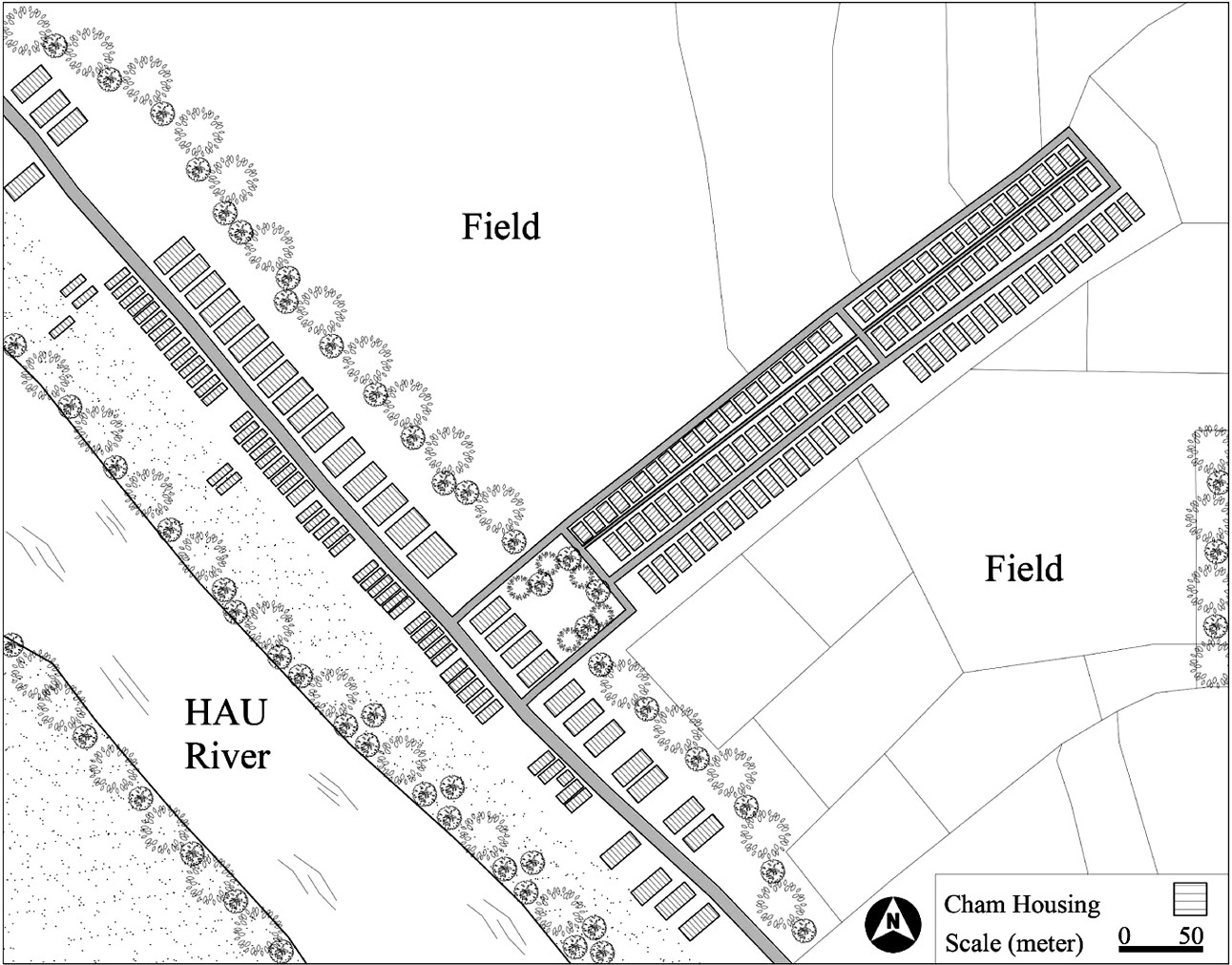
According to Cham people, the village direction needs to have three principles: (1) the North has the river, (2) the South has the mountain, (3) the land is high in the West and descends to the East. In addition, the form of the village is chess-shaped, and the villages are distributed along the Hau river and bank of Hau river with the typical wooden stilt housing. Significantly, dozens of large and small mosque are located in the center of the village to facilitate the ceremony, as seen <Figure 3>.
2. Morphological characteristics of Cham housing
1) Landscape and housing shape
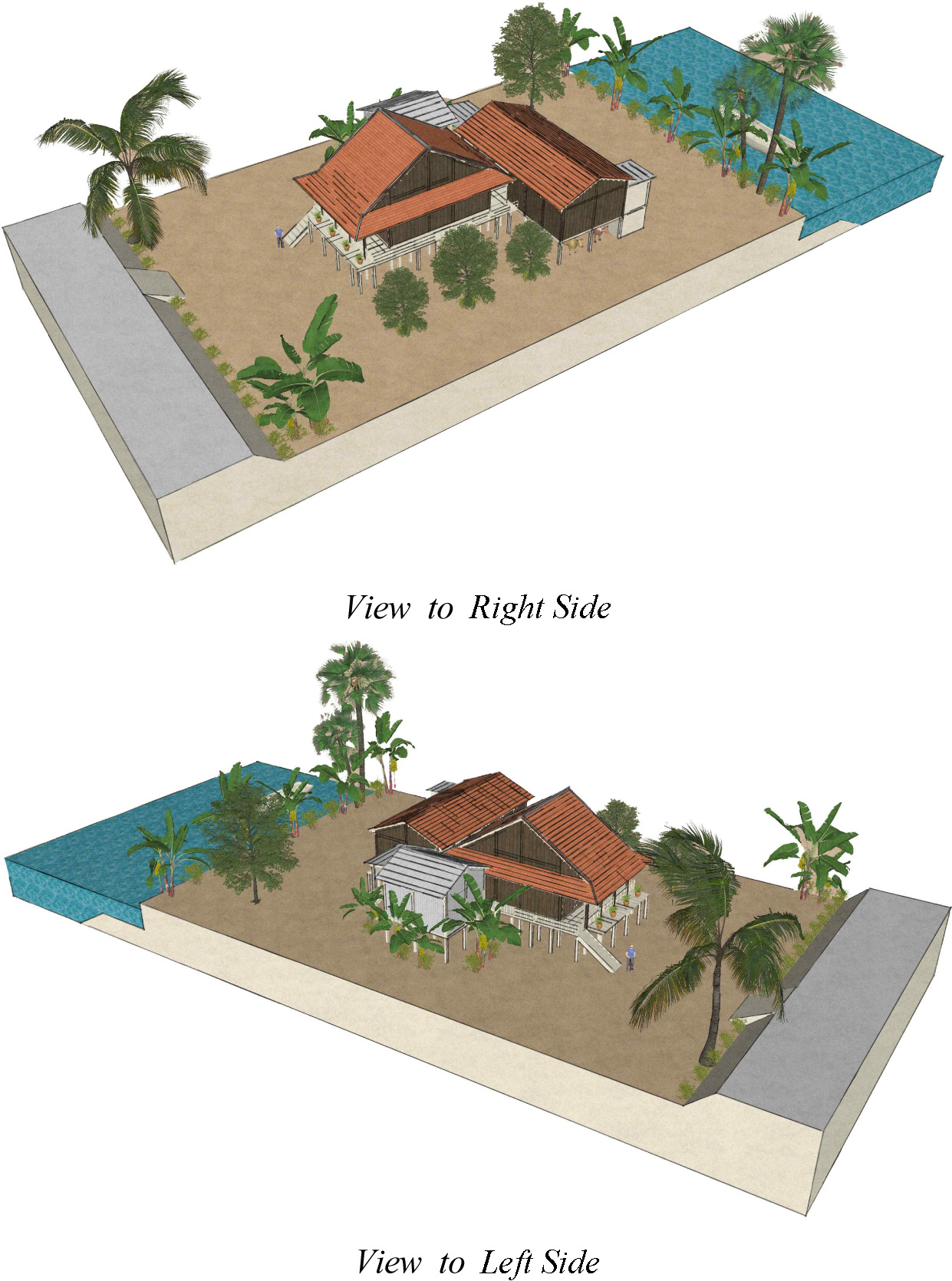
Cham houses are paralleled to the street in the form of ribbon development. As part of the rural landscape, these housings immerge naturally into the rural landscape. Cham housing often uses the native plant to minimize the impact of the weather. According to the survey, 80 percentage houses were un-surrounded by any fences, and entrances face the road. The stilt houses have high pitched roof with the 20-25 degree slope. This condition allows for excellent water drainage and more ventilation. Almost all houses were designed in rectangular configuration with a narrow width (about 8 meters in width) and extended depth (over 25 meters in length), mainly, 100 percentage of Cham’s houses are wooden houses that are built on the pillar, elevated from 1,5 meter to 2 meters above the ground. So the stilt house with under floor can flow the air and avoid the flood.
2) Planning scheme characteristics
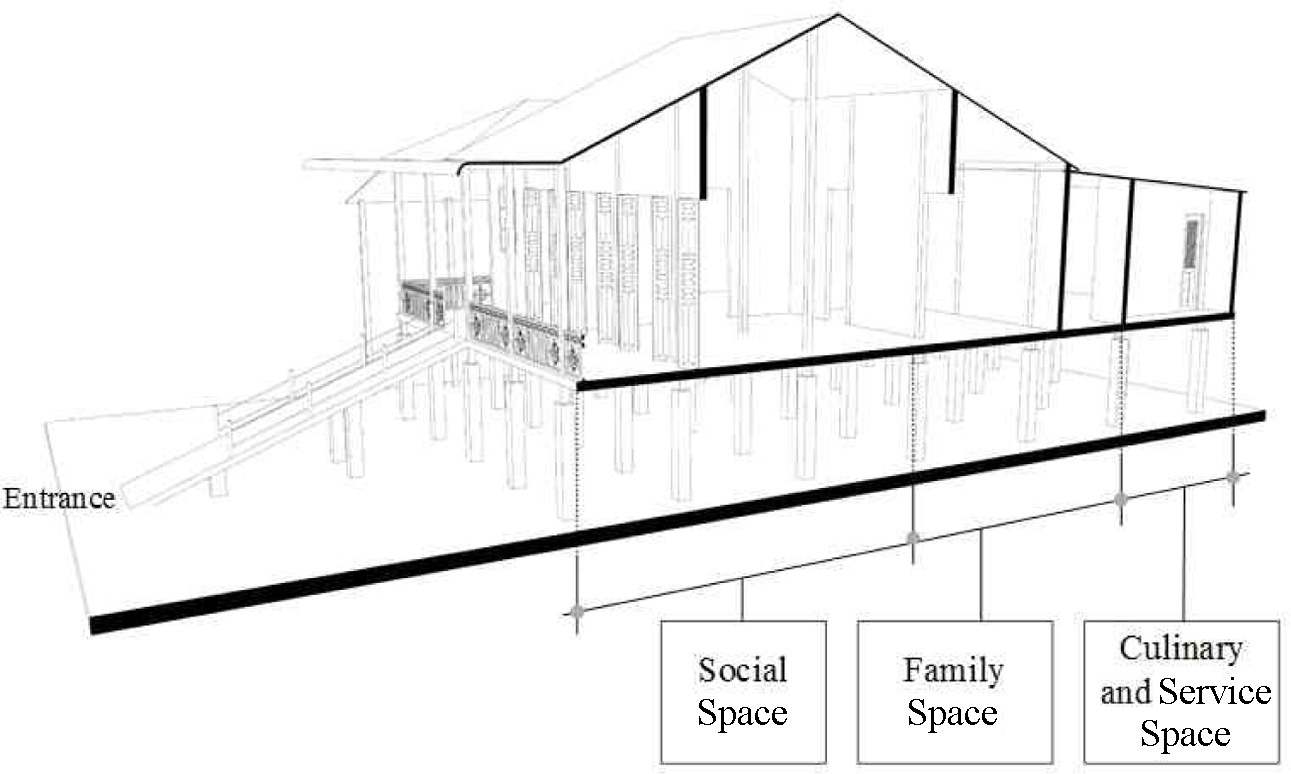
The space organization of stilt houses is similar to Vietnamese housing. The front yard, main house, sub house, and back garden form the typical design chain of most rural housing in the Mekong Delta. The fundamental space of the Cham house includes social activities space, family space, cooking area, and service space. This setting creates a suitable microclimate for housing and convenience in daily life. The social activities space is located in front of the houses, including the verandah, living room which is a transitional buffer space between the indoor and outdoor of the Cham house. It also helps prevent flying rainwater and direct solar radiation.
Furthermore, a large vernacular seems to be an open space used for social activities, crafts, or business. The main space includes a living room, worship area, and bedrooms. The next space includes family spaces for daily living, including a bedroom, sleeping area, studying room, which is created in the rear of the social space. The cooking and service area include the kitchen, food preparation space, toilet, and bathing space. All spaces typically are located at the rear of the house. Almost every house has an open cooking space because there is too much smoke and smell, as seen in <Figure 4>.
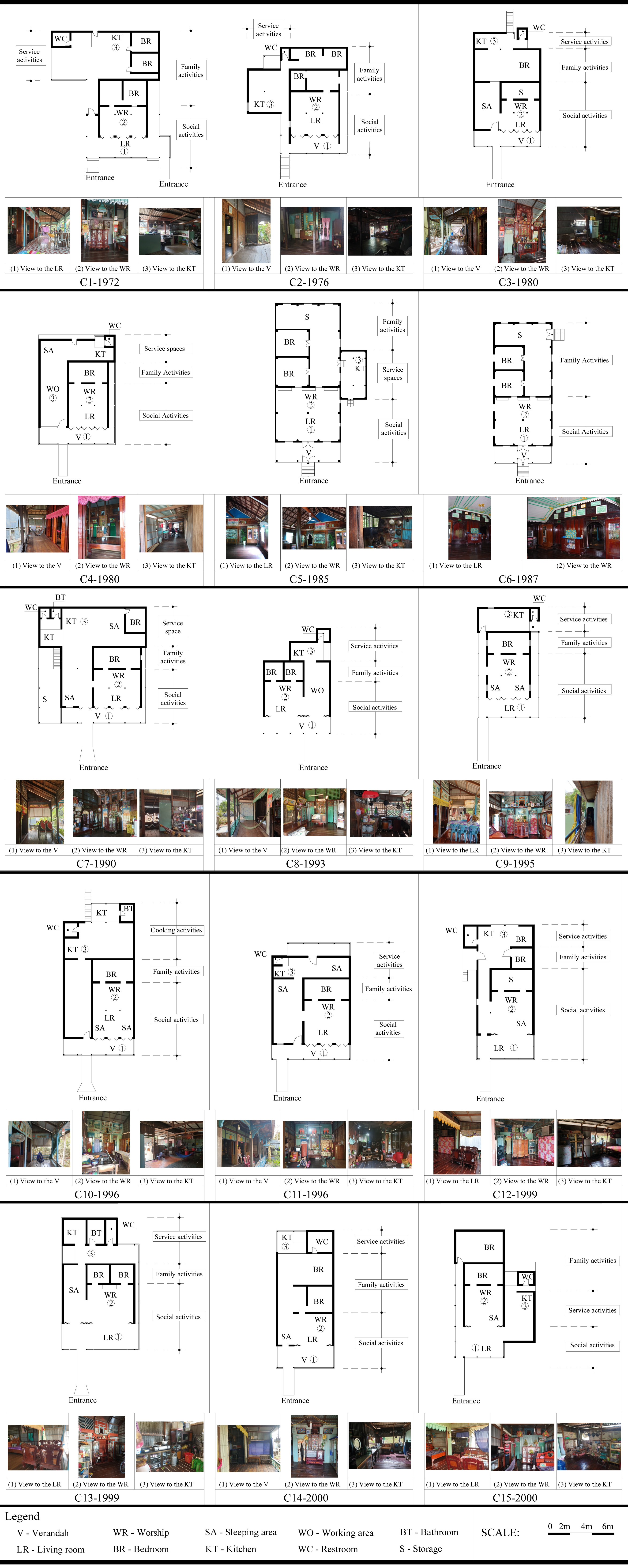
In the Cham housing, the occupants used the verandah to greet guests and connect to the outside. The ground floor did not take place daily activities, some area in the ground floor was used for storage. Occupants’ activities took place on the first floor, including a space for motorbikes parking. However, they told me that motorbike might be parked on the ground floor during the daytime, and it is stored in the space of sub house at night. Especially, there were two balconies on two sides of the house linking the sub house where the occupants used to hang the clothes and potted flowers. All family activities happened in the sub house, behind the main house with large spaces linking members together. The behind worship area is used for bedrooms; however, some houses are used for storage. A worship area was also located in the middle of the main house, combined with the living room to create a large space for greeting guests. Especially, there is a working area on the first floor, next to the living room, and connect to the service space.
In addition to the interviewing process, the field observers noted that woman performs cooking space. Men participate in activities that take place in the social area. Some spaces appear to be used for multiple types of family activities.
3) Structure and constriction material
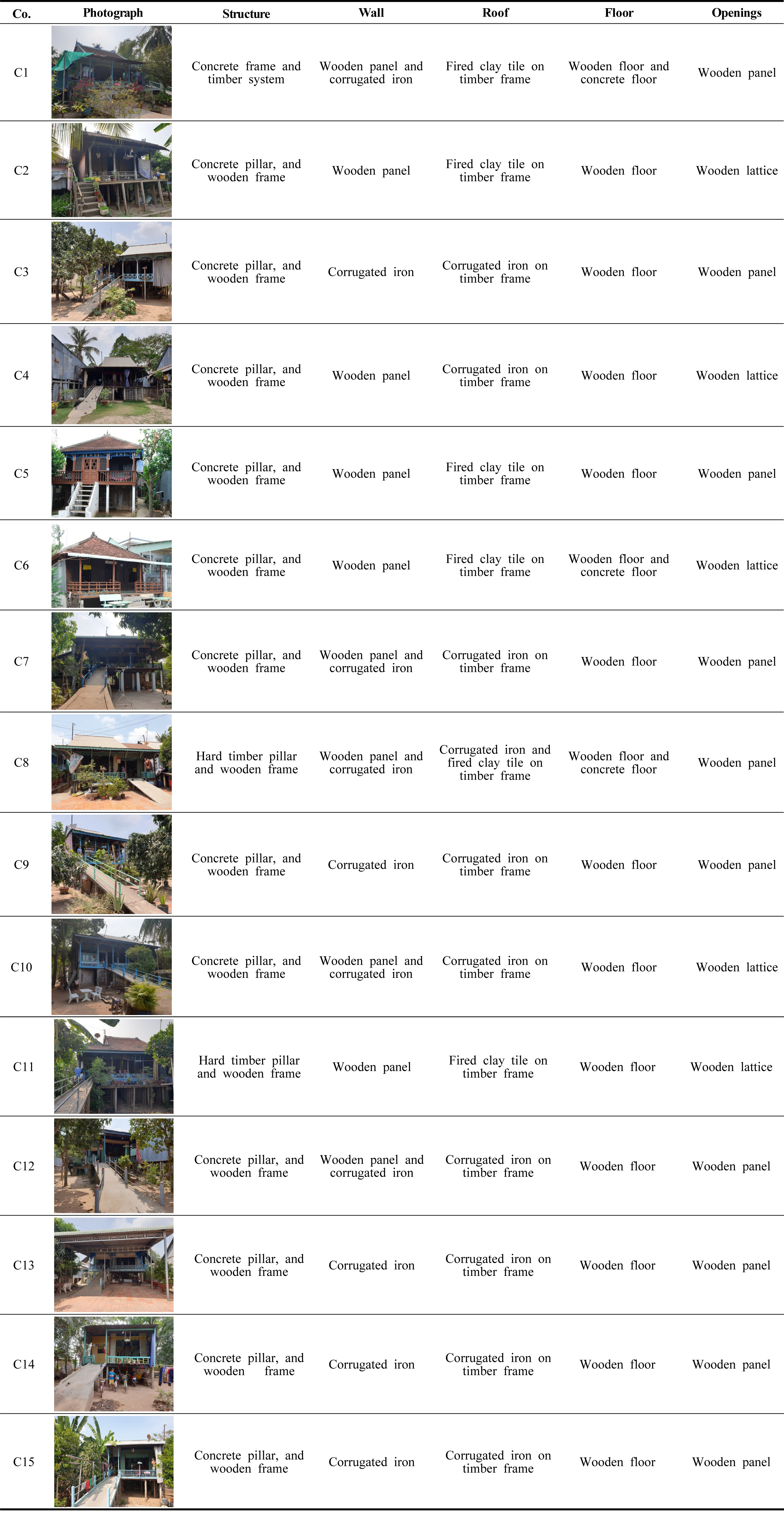
The Cham stilt housing is of various sizes and types depending on its economic conditions and purpose. Generally, the houses are wooden materials because of the easiness to do the construction. The stilt housing is built with a simple wooden post, or concrete post and timber beam structure. The flooring is made of timber planks or plywood sheets. The roof structure is mostly timber structure and clay tile.
However, the corrugated sheet metal application is used as a substitute these days. Exterior and interior non-load-bearing partitions are filled in with corrugated sheet metal or light timber materials to reduce load on the structure, as seen in <Table 2>.
V. Lesson Learnt from Cham Group Housing Design
1. Settlement characteristics
The Cham stilt house was considered an adaptation to the environment surrounding, especially annual floods. It resulted from the housing design responsive to the climate condition.
In the context of climate change, the following should be achieved;
- Housing should be designed parallel to the street with unit entrances oriented to, and directly accessed from, the fronting street. Both front and rear yard should be provided, as seen in <Figure 5>;
- Housing should be sited and designed to respond to natural topography and protect significant natural features wherever possible.
2. Building form
Housing is oriented towards the natural topography and are compatible with climate change. Building forms refer to many features of local housing that help create an adaptive housing model. Lesson from Cham stilt housing should be followed:
- Housing form should be designed two-storeys housing type which has space for water, as seen in <Figure 6>;
- The facades of housing are often designed to allow wind to pass through the material in order to make the houses as pleasant as possible in the day and night time;
- A high pitched roof on two sides or four sides with steep slopes provides rapid rainwater drainage.
3. Spatial configuration
The spatial configuration of Cham housing has three main parts: social activities spaces, family spaces, and service spaces. A large veranda is provided in the front of the house to catch the breeze, with the houses generally facing the street. Win breeze from the road is expected to expel the hot air inside because the Cham group uses a corrugated metal roof (tole) in the houses’ upper and exterior walls. The ground floor is often empty or used for storage to circulate air, as shown in <Figure 7>.
4. Structure and material usage
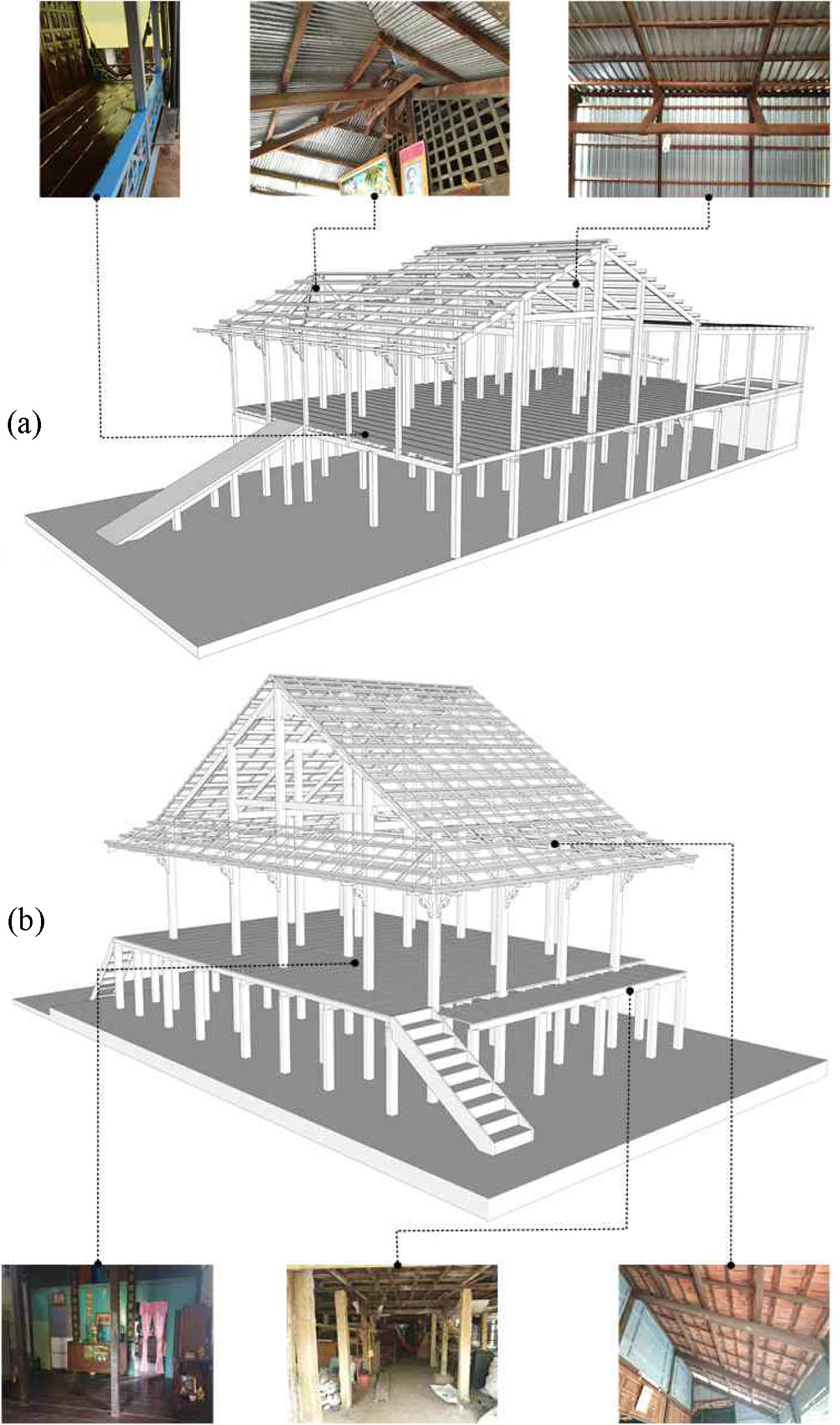
The technology of Cham stilt housing depends on the owner’s economic conditions. The Cham stilt housing is a timber house. It is basically a timber post-lintel structure for poor communities, or a stone post-timber lintel structure raises the house up. For wealthier communities, the raised-up structure can be used by concrete. It was using the timber post, beam structure, timber walls, accurate sheet metal wall which are light-weighted, flexible, and easy to assemble and construct, as seen <Figure 8>.
V. Conclusions
The climate change becomes very extreme with the possibility of natural disasters such as hurricanes, floods. This give effects on the Vietnamese Mekong Delta. The local housing, which were inherited from their ancestors, are adaptive to the natural environment These houses appearing from the local experiences which means no change. Therefore, the analysis among Cham stilt housings revealed characteristics that are evaluated as the adaptations to local natural environment, including the natural disasters. These findings can be listed as follows to <Figure 9>.
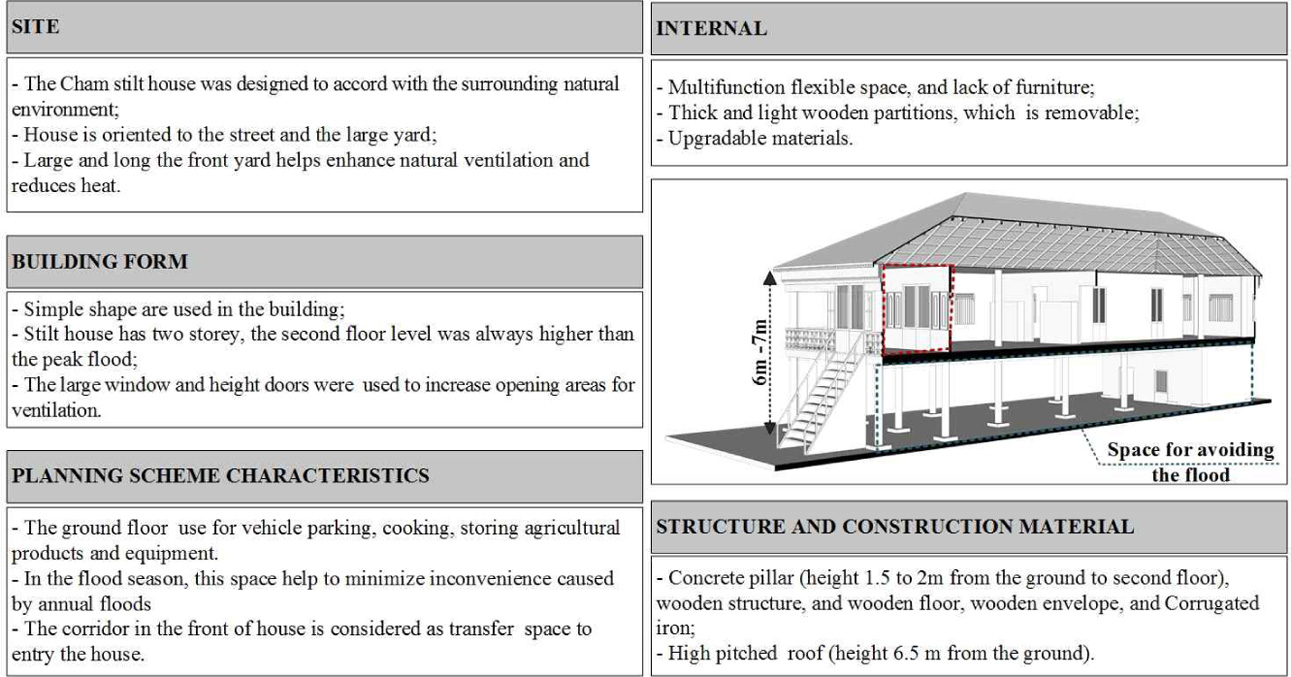
Moreover, this study emphasizes the spatial configuration of Cham housing. All spatial functions were effectively designed on the first floor, and the floor level was always higher than the peak annual flood. In addition, the lightweight materials were used for housing construction, especially timber walls or accurate sheet metal walls, thus allowing are easy and simple maintenance. This feature should take into account when while designing buildings in climate change conditions in the Mekong Delta of Vietnam. However, the present study has limitations because the analysis of the Cham stilt housing was qualitative. In addition, this study focused on the Cham stilt housing in Mekong Delta. Further study can focus on other ethnic groups in the Vietnamese Mekong Delta. From that, the design of a sample flood adaption housing takes into consideration the characteristics of ethnic group housing in the Vietnamese Mekong Delta.